Understanding the psychological effects of gambling on decision-making processes
The Nature of Gambling and Decision-Making
Gambling is an activity that taps into the human psyche in profound ways. It involves risk-taking, reward anticipation, and often, emotional highs and lows. The decision-making process in gambling is influenced by cognitive biases and emotional states, which can lead to irrational choices. For insights on the best platforms for online gambling, check out gamingamerica.com, as understanding this connection is vital for both players and those who study gambling behavior.

Players often find themselves caught in a cycle of chasing losses or misjudging their chances of winning. This skewed perception can lead to overconfidence and impulsive decisions. Factors such as previous experiences, social influences, and the allure of immediate gratification heavily shape these decision-making processes.
Cognitive Biases in Gambling
Cognitive biases play a significant role in how gamblers make decisions. One common bias is the illusion of control, where players believe they can influence the outcome of games largely based on chance. This illusion can lead to repeated plays in the hopes of hitting a winning streak, which often results in losses over time.
The gambler’s fallacy is another prevalent bias. This occurs when individuals believe that past outcomes can influence future results. For instance, a player may think that a slot machine is “due” for a win after several losses. Such misunderstandings of probability can severely affect decision-making, often leading to poor choices.
The Emotional Impact of Gambling
Emotions significantly influence decision-making in gambling scenarios. The thrill of winning can create a rush that overrides logical thinking, compelling players to take risks they might otherwise avoid. Conversely, losing can lead to feelings of frustration or desperation, prompting players to make even more reckless decisions in an effort to recover their losses.
This emotional rollercoaster can create a compulsive cycle where individuals feel compelled to gamble to recapture feelings of excitement or to escape negative emotions. The psychological pull of gambling can cloud judgment, making it challenging to step back and reassess one’s decisions.
The Differences Between Online and Offline Gambling
Online gambling and offline gambling offer different environments that can impact decision-making. In offline settings, social interaction plays a role; players may be influenced by the behaviors and reactions of others. This social aspect can lead to pressure and group dynamics that affect individual choices.
Conversely, online gambling provides a level of anonymity and instant gratification that can amplify decision-making errors. The ease of access to online platforms can lead to impulsive decisions without the usual social checks and balances present in physical casinos. As a result, the psychological effects can differ significantly between the two environments.
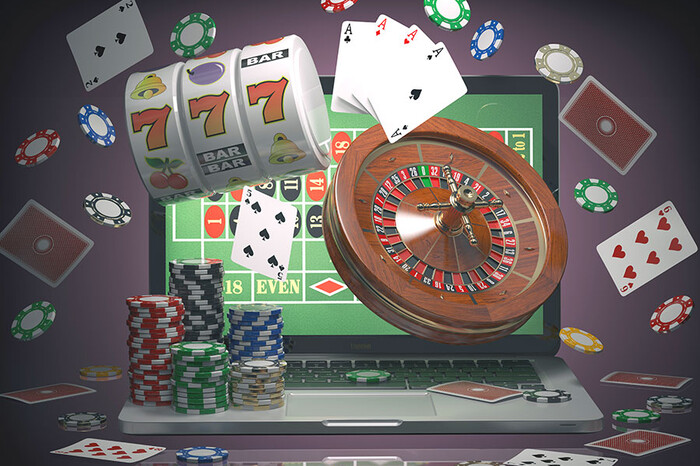
Insights from Our Website
Our website serves as a valuable resource for anyone looking to understand the nuances of gambling, particularly in the context of decision-making. By providing comprehensive insights into the psychological aspects of gambling, we aim to equip players with the knowledge needed to make informed decisions.
We explore various topics, from cognitive biases to emotional influences, ensuring that our readers are well-informed. Whether you’re new to gambling or a seasoned player, understanding these psychological effects is crucial for developing a healthier approach to your gaming experiences.