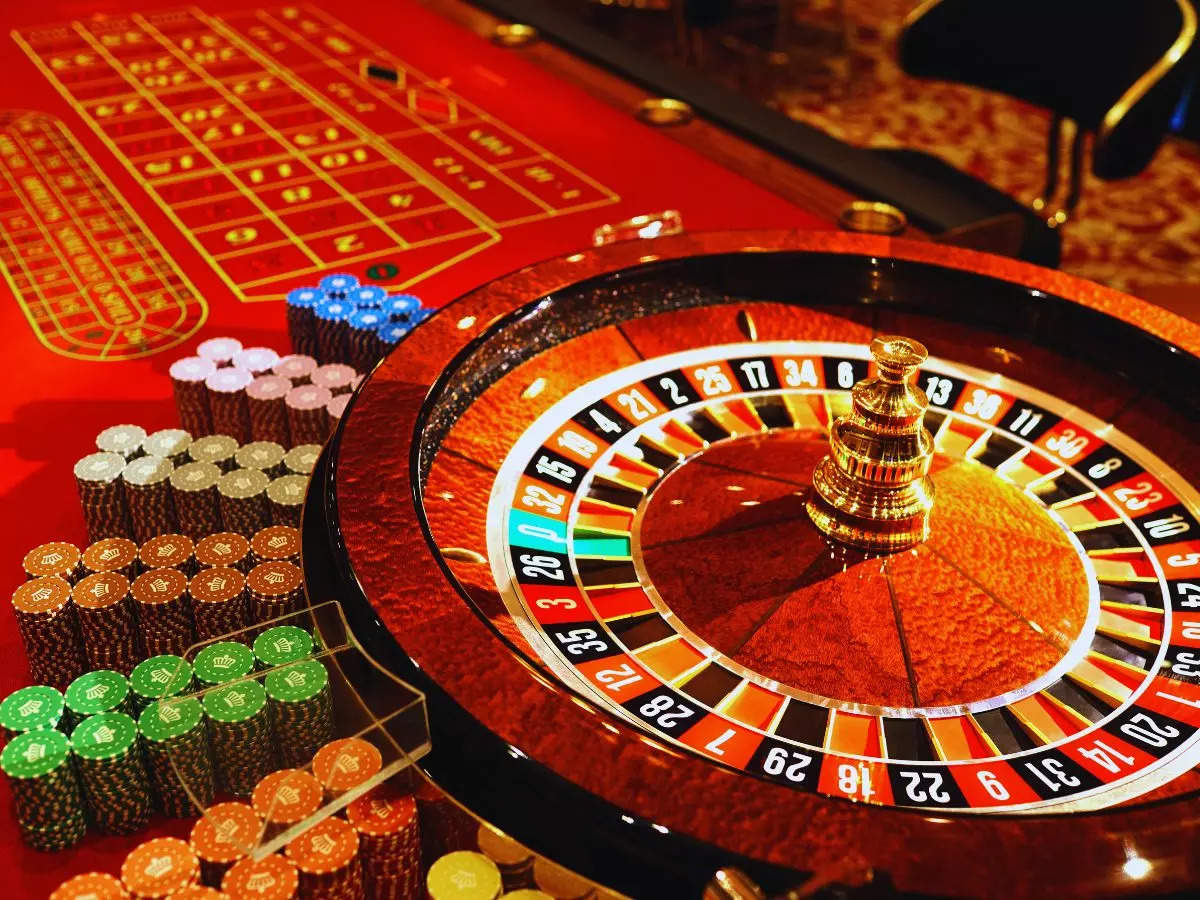
Understanding gambling addiction A guide to recovery and awareness
What is Gambling Addiction?
Gambling addiction, often referred to as compulsive gambling, is a behavioral disorder characterized by an uncontrollable urge to gamble despite the negative consequences. Individuals suffering from this addiction may continue to wager large sums of money, often at the expense of their personal relationships, financial stability, and mental health. This disorder can lead to severe stress, anxiety, and depression, making recovery a complex journey that requires awareness and support. For an engaging gaming experience, you might want to check out gluck77-casino.com, which offers a wide variety of games.

The thrill of gambling can be enticing, as it often triggers feelings of excitement and anticipation. However, for some, this thrill transforms into an obsession that affects every aspect of their lives. Understanding the psychological factors behind gambling addiction is crucial for both the individuals affected and their loved ones, as this knowledge can facilitate better communication and empathy.
Signs and Symptoms of Gambling Addiction
Identifying the signs of gambling addiction is the first step toward recovery. Common indicators include an increasing preoccupation with gambling, unsuccessful attempts to control or reduce gambling behavior, and a persistent need to gamble with larger amounts to achieve the same level of excitement. These symptoms may also manifest in emotional changes, such as irritability and anxiety when not gambling.
Moreover, individuals may resort to deceptive practices, such as lying about their gambling habits or borrowing money to fund their addiction. These behaviors can create a cycle of shame and secrecy, further entrenching the individual in their addiction. Recognizing these signs early can help initiate conversations about seeking help and intervention.
The Impact of Gambling Addiction on Life
The repercussions of gambling addiction can be devastating, not only for the individual but also for their families and communities. Financial strain is often the most visible impact, with many individuals facing bankruptcy or severe debt. This financial instability can lead to relationship breakdowns and feelings of isolation, compounding the emotional toll of the addiction.
Beyond financial hardships, gambling addiction can take a toll on one’s mental health. Many individuals report feelings of hopelessness and despair, which can lead to depression and anxiety disorders. Understanding these impacts is essential for providing support and fostering an environment conducive to recovery and healing.
Pathways to Recovery
Recovery from gambling addiction is a multifaceted process that often involves professional help, support groups, and personal commitment. Therapy options such as cognitive-behavioral therapy (CBT) are effective in addressing the underlying issues associated with addiction, helping individuals develop healthier coping mechanisms and changing their thought patterns related to gambling.
Support groups like Gamblers Anonymous provide a community of understanding and shared experiences, creating a safe space for individuals to discuss their struggles. Engaging in these groups can be a vital component of recovery, as they foster accountability and provide encouragement through shared journeys.

Finding Help Online
In today’s digital age, resources for understanding and overcoming gambling addiction are more accessible than ever. Online platforms offer a plethora of information, support forums, and professional services tailored to those seeking help. These resources can be invaluable for individuals who may feel hesitant to seek assistance in person.
Additionally, numerous websites provide educational materials on gambling addiction, helping to raise awareness and encourage open conversations about this issue. By fostering an online community focused on recovery and support, individuals can find the motivation and tools needed to overcome their addiction and reclaim their lives.